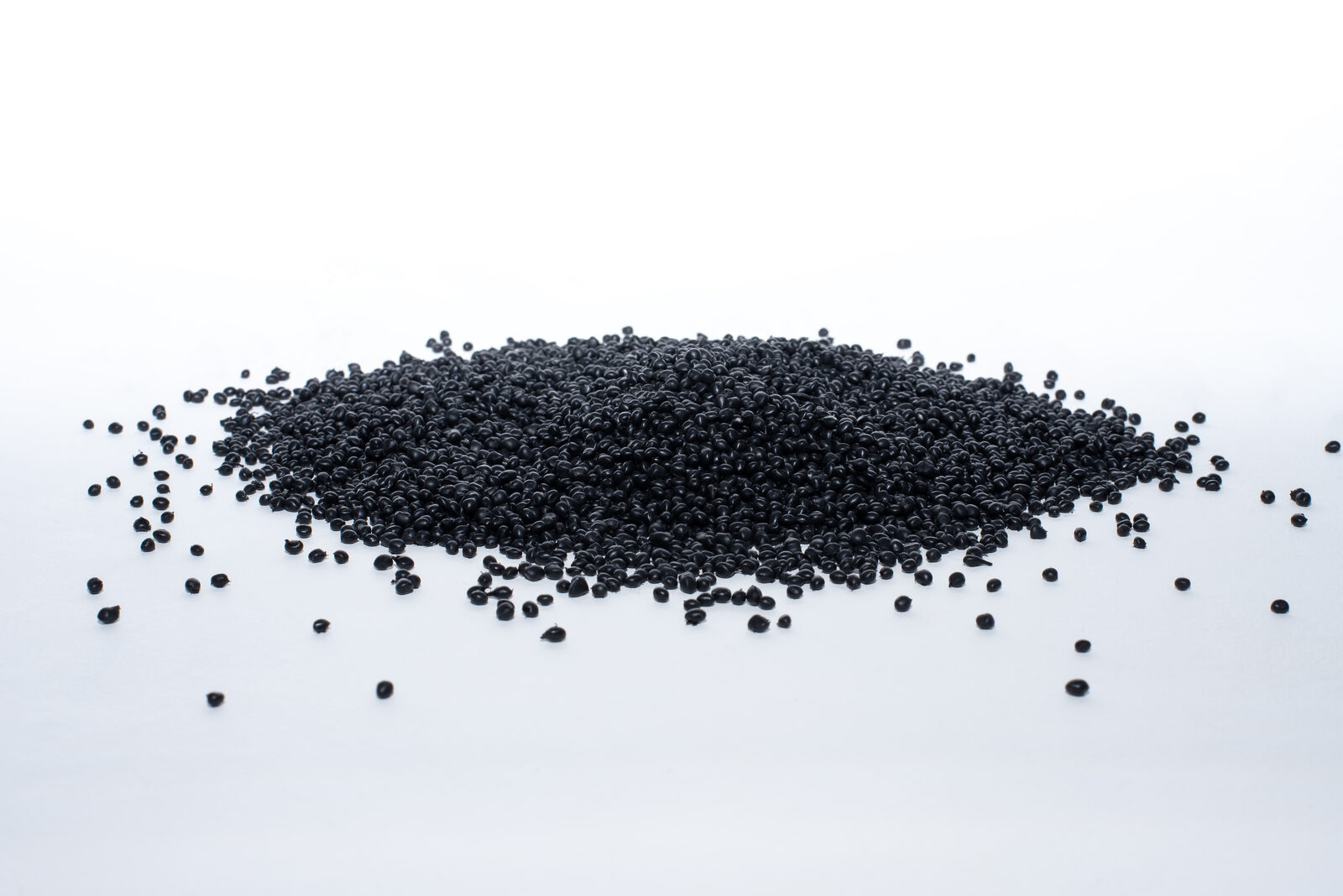
What is rubber granulate?
Rubber granulate is shredded rubber from waste tyres, cleaned of steel and textile and sorted by grain size. The coarser form — TDA (Tire-Derived Aggregate) — is used as a lightweight aggregate in construction applications.
How it is made
Granulate is produced by further mechanical processing of recycled rubber: after shredding and steel removal, the material is ground and classified to the desired granulation — typically 0.5–10 mm. Finer grinding also yields rubber powder. The process is fully mechanical.
Of the total volume of waste tyres, around 70% is recycled into new products and about 30% is used for energy.
Applications
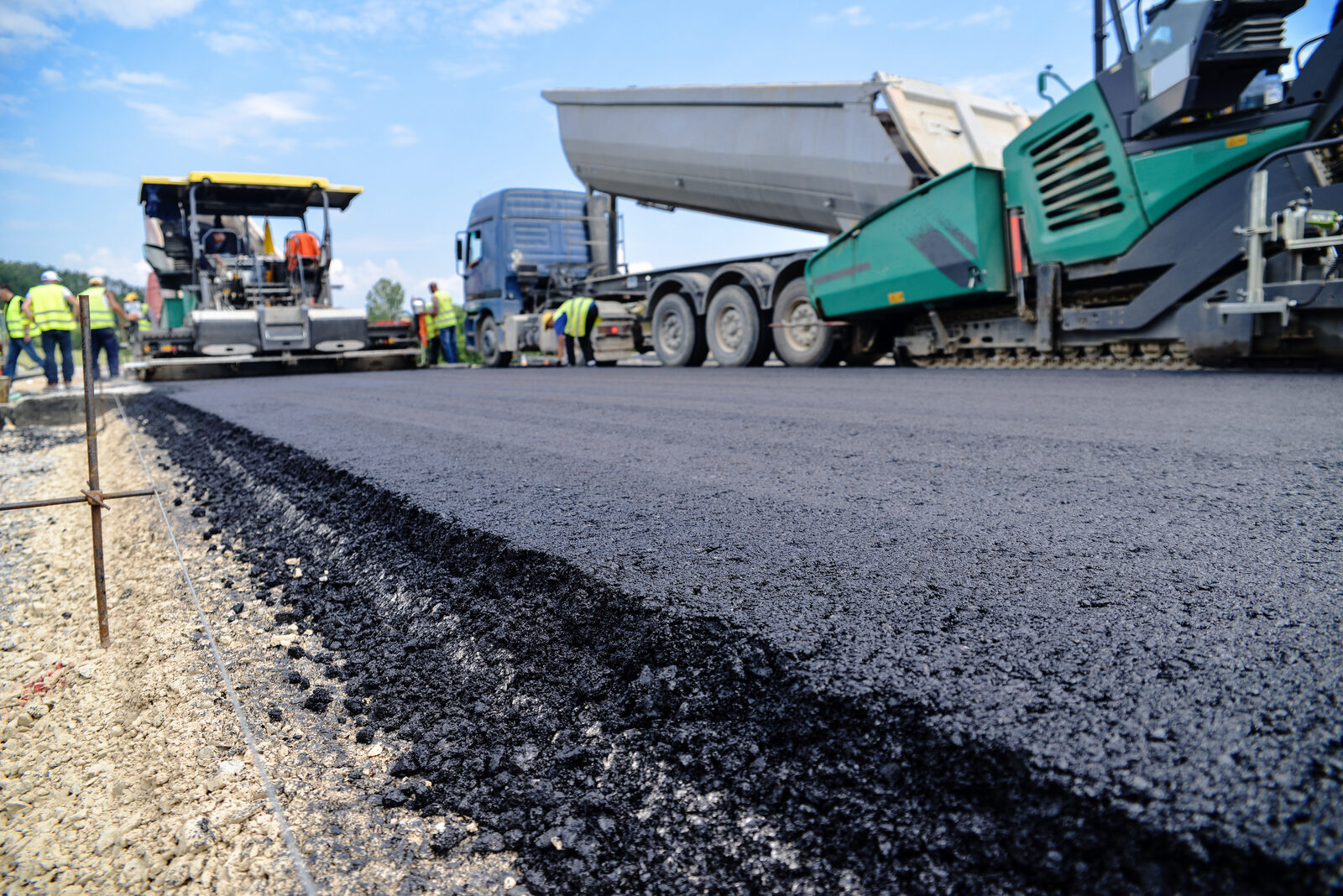
- Construction — rubberized concrete and longer-lasting asphalt, plus lightweight aggregate (TDA) for insulation and drainage.
- Traffic infrastructure — safety and impact-absorbing elements (protective elements, speed bumps, signage).
- Green and public areas — coverings, paths and landscaping elements.
- Soil stabilisation — in embankments and infrastructure works.
- Agriculture — various uses in agricultural facilities and equipment.
- Sports and recreational surfaces — a potential application for playgrounds and pitches (impact absorption, safety).
Note: sports surfaces are listed as a potential application of rubber granulate. Negro Crown does not currently produce finished sports surfaces, but the granulate can serve as a raw material for them.
Advantages
- Replacing part of the primary (non-renewable) materials with recycled raw material.
- Lightweight material with good insulation and drainage properties.
- Contributing to the circular economy and reducing waste.